The History of Fly Tying: From Ancient Tradition to Modern Innovation

Inner Banner

The History of Fly Tying: From Ancient Tradition to Modern Innovation

Fly tying is one of the oldest and most fascinating traditions in angling. Long before modern fishing rods, synthetic materials, and online tutorials, anglers were crafting artificial flies from feathers, wool, and natural fibers to imitate the insects fish feed upon. Today, fly tying remains a thriving craft practiced by millions of anglers worldwide.

This journey through the history of fly tying reveals how an ancient fishing technique evolved into a sophisticated art form and a cornerstone of modern fly fishing.

Ancient Origins of Fly Tying

The earliest known reference to fly fishing dates back nearly 2,000 years. Ancient Macedonian anglers reportedly used hooks wrapped with red wool and decorated with rooster feathers to attract fish.

https://images.openai.com/static-rsc-4/4ok9TN0DMtjeW-JDzILbTRsVIH3ODEAqjv2oXfB7pgQ0wpTNgUYsfrpFFJIvieHz4eooBe0xmK4X51fC54fYYCvsAiInXEE94VAVNDKokcHaBUIfaWWrH5XoUE_N3BHHMsC6wChRqbfmzHOqzJLnKPvMqlkps7BW6h6vfD76udUP5_GuB9ONTEyffK2xAa1H?purpose=fullsize
https://images.openai.com/static-rsc-4/m7NESsK_KJSysnG2bsQP5qqCFBfmTa9uA5B8nptuwqaffSDW9jW0-loGwT_UIOJboBa9He62oszG7p39tGxpAq4uqQqIxa5FFx8BBXhvAKJrAB_7VaTpu7AMYCu5tw_8l-qh1B9sNGbSWf3YixFjLB8OYVdeASfP7-YSv4njldlGwtaCjm-uE62Tjdn6xZ0p?purpose=fullsize
https://images.openai.com/static-rsc-4/nB4kDflMcGn6lpHGVsFakMg2yhGpKipnINYOF6tQLhJbVXGdscS3efZkttC8eKA44NuC0HTznLrhgjDNQ45PhLrYhqlsINaf44kLSHCFa8OmG3_QsUlW1vKRtiYc0YzDLURKb4J3AASlbSoGbh0beJBa0Cnab_qBg_d3ck236N5JW55IdkmCCXghJCGQUXlk?purpose=fullsize

4

These early artificial flies were simple, but they introduced a revolutionary concept that still drives fly fishing today:

Imitate natural prey to fool fish.

This principle became the foundation of fly tying and remains relevant in every modern fly pattern.


The Medieval Development of Fly Fishing

During the Middle Ages, fishing became increasingly important across Europe. Anglers experimented with different feathers, wool, silk threads, and animal fur to improve their artificial flies.

A major milestone occurred in 1496 with the publication of The Treatyse of Fysshynge wyth an Angle by Juliana Berners.

The book documented some of the earliest known fly patterns and provided instructions that influenced generations of anglers.

Materials commonly used included:

  • Rooster feathers
  • Wool yarn
  • Silk thread
  • Handmade hooks

These early patterns marked the beginning of systematic fly design.


The Rise of Classic Fly Patterns

By the 17th and 18th centuries, anglers began closely observing aquatic insects and fish feeding behavior.

This led to the creation of specialized fly categories:

  • Dry Flies
  • Wet Flies
  • Nymphs
  • Streamers

Instead of simply creating attractive lures, fly tiers started replicating actual insects found near rivers and streams.

https://images.openai.com/static-rsc-4/4ispg_xQzPrNT1SmoA_5c1oX9nW-UsO3_AFE3SvjpBvBkX0-u51xGRdhKrwMBwmj4QT0moI22MYk-eeICe6sr5DpskcSrxl7HXmYjB0UD_0X3VymbrjtvWhA4Ar4Yc0PkfXWyJ-LfWrhYBBL0zscU9NDGI8DhQtGECiPMSwMfPAh1V41BnK5c5Y9KPOPbXiA?purpose=fullsize
https://images.openai.com/static-rsc-4/AaZz_UhJx0KMb9NDww45rNipk-NMZk_emFM_VCn48A253A1jlTVWeAwLVoPQ_uuRvhaSCjPlHdZruyCa4MfRmnYwslOrBt5iNsg2AruubzifFH26OUveJ9FTBhEzoTsh5aGRw2zncgeSsxa3fEOMshoQAESma6x8OL8-qTQMTBs4jIA4dRNHOZ9oyqEj8oSR?purpose=fullsize
https://images.openai.com/static-rsc-4/nkeycxLsW8BRxQavhO0x_aeSfq8qNaoRH1cTC7Ta2DpA9l-BcXkfsIBv_ZE02vWKmbSVLqTLFMJxxxpOzyARneZIgoBM5mP2IjlY4NJt9DABoaZfsifRJwaODnNVko2_qq3ahZ6phdH9jEINW_A5bdr6aNgdGJyD2L7RS5CJ7_VZBl6jZr8TNgxWt3etYYeP?purpose=fullsize

4

The concept of “matching the hatch” emerged during this period and remains a key fly-fishing strategy today.


The Golden Age of Salmon Fly Tying

The Victorian era is often considered the golden age of decorative fly tying.

Anglers pursuing Atlantic salmon developed extraordinarily detailed patterns using exotic feathers sourced from around the world.

Popular materials included:

  • Golden pheasant feathers
  • Peacock herl
  • Jungle cock feathers
  • Macaw feathers
  • Toucan feathers
https://images.openai.com/static-rsc-4/ktcO5HZ1APE-3i8a6DeXX1bxGhE_pPXOMgocsXQm-0WRln8DmWdp0vpnSVrgiHlImNnWDjvLr42eKaLdO34nfpwqhXD60n4NWWdKEDfEZfKHEFNzy5cyksEEjiAqldD1z_z0TWLAubj3afYnUWMmhNYG8m7SS_MX03hX5LTmGuUSZVJbKtGo6nsZzrD9LcL9?purpose=fullsize
https://images.openai.com/static-rsc-4/8AtsMO4sTBDEQ8bvJ0nrQdcY4ULNkd3wZxlronNW_YVT9k-CUDgEw6fHH89D_Zqhu2BoTHd6X8yslPaNVlqz7F2KvSm3UwwsTjd3xR3Aaek3AwWPj_gmFsXD0fV-L8s9yioSoSX3BNeRsYydvPPX7a-_1XNlDnWlFdN6S6z3BRHK56NGaZFEnEwa8omtOq3l?purpose=fullsize
https://images.openai.com/static-rsc-4/IjiQt77HIjokQOpk1Q9zAMb84dqRgzKf5gQ49iRrwMaCpPhRlMJM4tBQsCvPx5hceScGuwrk3i78lGP-tYLLdX5Gpiid8WZBRBIFjsKrqA0ybJDwzs35oKFw0BqD2oyYYXAvrdPljNkN_S-2fFu5twnfNs63KkUqiD1ui0q_M5V_VH_xOTSA9-EEKmsmAuDO?purpose=fullsize

7

Many of these flies were so intricate that they became works of art rather than simple fishing tools.

Collectors and fly tiers still recreate these historic patterns today.


Industrial Revolution and Mass Production

The Industrial Revolution transformed fly tying forever.

Manufacturing advancements introduced:

  • Stronger hooks
  • Improved tying threads
  • Better fly tying tools
  • Consistent material quality

For the first time, anglers could purchase purpose-built fly tying equipment rather than making everything themselves.

This era also laid the foundation for the modern fly-fishing industry.


Modern Fly Tying Materials

The twentieth century saw tremendous innovation in fly tying materials.

While traditional materials remained popular, synthetic alternatives began to appear.

Traditional Materials

  • Rooster hackle
  • Deer hair
  • Rabbit fur
  • Peacock herl
  • Pheasant feathers

Modern Materials

  • Flash fibers
  • Synthetic dubbing
  • Foam sheets
  • Silicone legs
  • UV reflective materials
https://images.openai.com/static-rsc-4/PsOy7FnJHOXCn7WFgwC6dO-9-7QfomQE6_WVEMzwp0KPB70Ancipp2xQNdy8H1oi6S05JzLtMS6XA89hXH47CCy2-QUUH2zreSI_aicFxFTa1S8tvNWKTFGZnjNnwrVCiZzd9_mizUeKqGnKg3x5VjGu8h-LK4osDWNLIl6TkVNmPpNY_g_YCeLLKM4r1IPe?purpose=fullsize
https://images.openai.com/static-rsc-4/tOqcwgmjwVqa2nmcrF0bAiXJjtPS_UKmRcbi_o-qd0aFSa79m2jn48i_bku3KxtmU5NB2O3iSSYqydKBNgr4zMaGo2zdWIWIuGmorVpvTn_xIKyx2ysB4ecweGZ36ifBm1ZTOs2m8DUMiAsPKs-AG0jDgVGrQdkNusGzPFzTF-eNCNZFeQ3QD5RqXoFU1lQ7?purpose=fullsize
https://images.openai.com/static-rsc-4/LXNrr_McjcYAfvTmiUq-1RJzOldkiWKiYUSKCLm--iKtk-XmzWfmcd46WnYpZhE0WOIrDJwlYazGVX95RYn65NolftWsFJtBMjz-OjB00APhVL_yWlGznN_OaTDNSG4F6VlI50d8u3lioqAcMwoU7UlpqIe_okj_xZwquIWs6Tfnx3S-NprE8_kfgwvgQ7iJ?purpose=fullsize

4

These innovations allowed anglers to create more durable, realistic, and effective fly patterns.


The Digital Revolution in Fly Tying

The internet has changed fly tying more rapidly than any previous innovation.

Today, anglers can:

  • Watch step-by-step tying tutorials
  • Join global fly-fishing communities
  • Purchase materials online
  • Learn advanced techniques from experts
  • Share fly patterns instantly

Social media platforms and video tutorials have introduced thousands of new anglers to the craft.

A beginner can now learn in months what once took years to master.


Fly Tying Today

Modern fly tying combines centuries of tradition with cutting-edge innovation.

Popular contemporary patterns include:

  • Woolly Bugger
  • Adams Dry Fly
  • Pheasant Tail Nymph
  • Zebra Midge
  • Clouser Minnow
https://images.openai.com/static-rsc-4/DrReoJcbpHhmcUUFzCU73Wc4BRNkO61nB7SJ6ueVzRLnvzK1G08IEevmFuH_20xfBv0B41HcuDiMOmv5spWczoJlusql6q2sKZpQwGYndQd4dGFz2MhYl_awBl-c9iAUCIOYyJBwgndRzeJ9lhHAaUs1YV-5mqmx9ze2kdUsCy2p52jFx-qo6T2Iv4UdbPss?purpose=fullsize
https://images.openai.com/static-rsc-4/xmOdUejLyNSQ3qbDiIavfILNYOC5edeTQNT3rDg66U_DSkNpffUUmym5oFa6K4mdtXZP0eYIGwRuo5NN0UtcGuI1sQjZusArK3ToN5q1gcvdRi07q3RxyhF766gUlbACKhQ8QPfDF-hvW6URcAwQv4fa7qhlXssTWKdISX-KmXNK6PsrrgZL8pf6YL_TO0L9?purpose=fullsize
https://images.openai.com/static-rsc-4/65eDlv2km9RHByKO13s7BCN0jWs-T6pg5E9RJgDwOCLTSziBFKE-z8YmxRJhTgo2J4oUL6VqrgaXn4QR1joqWqBPTyRieE6sqKuJF9NDRCsgK6PZHo_NeOmZVkNqdW1wGw1jNtLaOrb6F6xxqI6sxQheKvHljzUqwdxGbaZQzfD5LcqgmJtuj7LGVazvhkTB?purpose=fullsize

4

Today’s fly tiers have access to more materials, tools, and information than any generation before them.

Yet the fundamental goal remains unchanged: creating an artificial fly that convinces a fish it is real food.


The Future of Fly Tying

The future of fly tying is likely to be shaped by:

  • Sustainable sourcing of natural materials
  • Eco-friendly synthetic alternatives
  • Advanced fly-tying tools
  • 3D-designed accessories
  • Global online learning communities

As technology advances, fly tying will continue evolving while preserving its rich heritage.


Conclusion

The history of fly tying is a remarkable story of creativity, craftsmanship, and innovation. From ancient Macedonian anglers wrapping wool around hooks to modern tiers using sophisticated synthetic materials, the craft has continually adapted while remaining true to its purpose.

Whether you’re tying your first fly or your thousandth, every fly connects you to a tradition that spans nearly two millennia. Understanding this history not only enriches your appreciation of fly fishing but also highlights why fly tying remains one of the most rewarding aspects of the sport.

SEO Keywords

History of fly tying, fly tying history, evolution of fly tying, traditional fly tying, modern fly tying, fly fishing history, artificial fishing flies, classic fly patterns, fly tying materials, fly fishing traditions, history of fly fishing, handmade fishing flies.
10 Essential Fly Tying Tools Every Beginner Needs

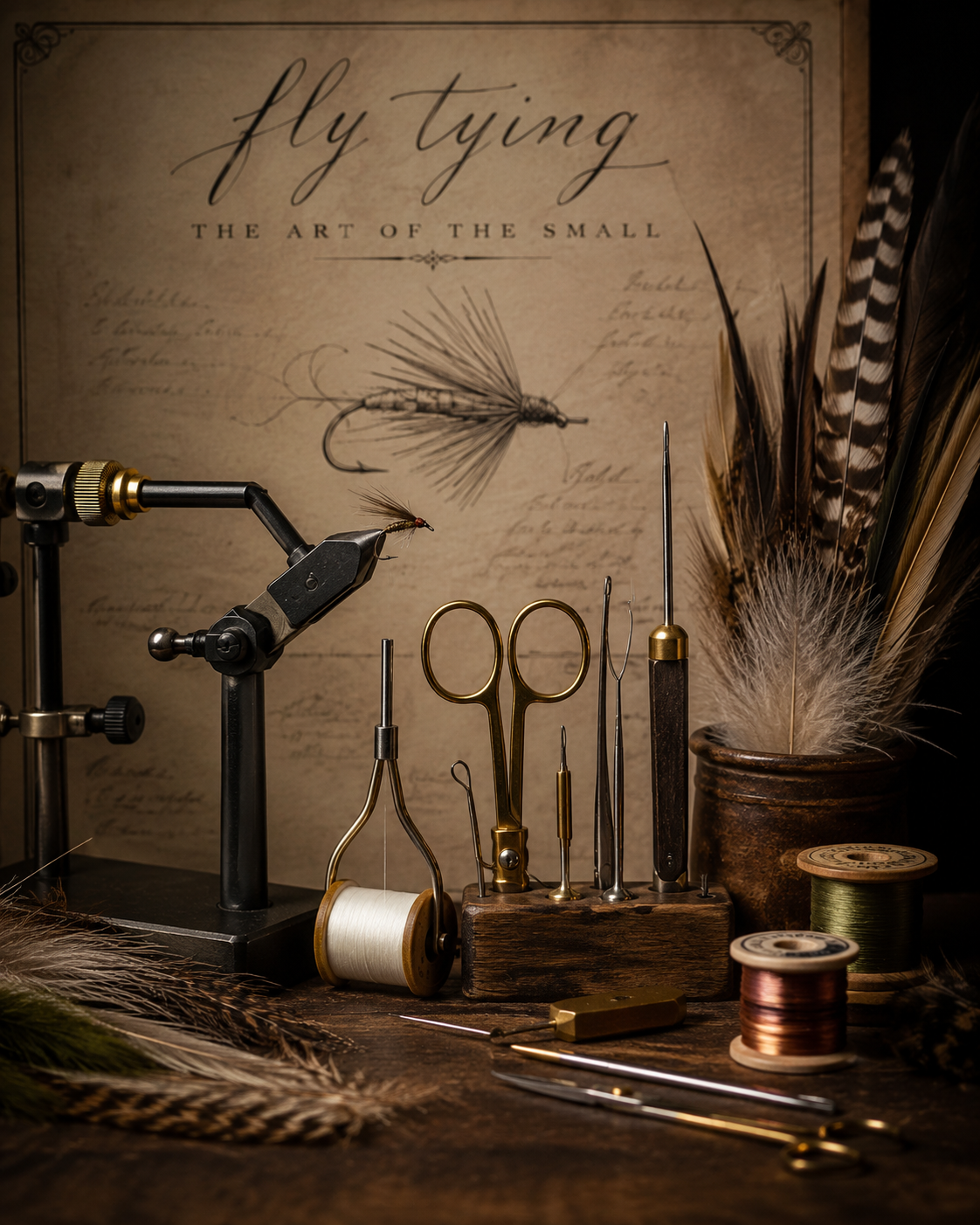
Fly tying is one of the most rewarding aspects of fly fishing. Creating your own flies not only saves money but also allows you to customize patterns for specific fishing conditions. However, before you begin tying your first Woolly Bugger or Adams Dry Fly, you’ll need the right fly tying tools.

Whether you’re building your first beginner fly tying kit or upgrading your workspace, these ten essential tools will help you create professional-quality flies.

https://images.openai.com/static-rsc-4/SbHrQkKmx8d8TiFjy2GnnsvOAXI_bE4Hiyt9rvb-nuH0zk40j5Gua2NkzRoLR_Rhi8DH-pjIxsGuXdNWlzYwlwQQDk7i5Tf81S2RlFClgyz869_7H3Lg5EOYD2IMl0jg093ObCYRRdJqAYqKd-Jpxt6d9A79L32EusKMidenZr1zSZ61g9gY7RIqxNYVqcby?purpose=fullsize
https://images.openai.com/static-rsc-4/BnyOA2CQdEjMKk8WxP02Ydn63WOyfyX5-2hVNvwn8dWIJnVLZDyx5B5Bi3Jf4OfQ00TVmNldp8fFAXzOnl3m4v1hkUObjKhX_36-tjYsmZlAgPbAQSI0QfG_7qpHWzzXB1pDW4wiRc-F1G-ocUivrPBiVFxijO8yBvu-ovbIp76VzuoUwm39X8r2F4hKyyNo?purpose=fullsize
https://images.openai.com/static-rsc-4/TF1LayYa_WNeYXBGBtN2yl7zzQ2OpMYe7IUU126G3JyQkPDxu59R3XfbJ4gfc3_quxGkR4h4WLIM8DdeOoFEc0WuAQDYJTRzP9fFcJWnQYGz6awYC5jv9zPUnHwY6crzVyFiByt8J19c-bg2LyJU9zLPXzTN79p1jtFCEihvDOp4TXZNhoe3xGr-MGLL4Haq?purpose=fullsize

4

1. Fly Tying Vise – The Foundation of Fly Tying

A quality fly tying vise is the most important tool in any fly tier’s arsenal. The vise securely holds the hook while you attach materials and build your fly.

When choosing a vise, look for:

  • Strong hook-holding power
  • Adjustable jaws
  • Rotary functionality
  • Durable construction

A reliable fly tying vise makes every other step easier and more enjoyable.

Recommended: Check out the Fly Tying Vise collection from RG Saga: [Insert Product Link]

2. Bobbin Holder

The bobbin holder controls your tying thread and maintains proper tension while wrapping materials around the hook.

Benefits include:

  • Smooth thread control
  • Consistent wraps
  • Reduced thread breakage

No beginner fly tying kit is complete without a good bobbin holder.

https://images.openai.com/static-rsc-4/GrHDnizvTymzebEesVmk4KuC5ThgzJlHzGMHDyZbww64b9tPSjAgEGmTB6-X4s2OzeEL94QvTuY2RVUz-2VGDO8VIxuutgcMRXNSnyxdWN05h1Mb-ZMuHhbeKhSSj0NK-qBfKmz4g76bPubTx1S3lahSZWFdwOP3ggaXo0OybANxX2YsVwasCL2tTGmNCHR0?purpose=fullsize
https://images.openai.com/static-rsc-4/V8wplUZVZCqFl5y6YmZyo7qNTmDZOOpvuBAFuy2tnwrfgDbVjmlFU9mqUsLo38EeQYate0jeod4zKhHycfmmC7TgA99svhVH58n1aiDwHqWY3ey86OhK_MQl9UELv9Suq4XMLinuyfYR4ZkmigziVcNm5h-hEjKVW2v58folWF6fCOs-R55m5rLGAznjsDZe?purpose=fullsize
https://images.openai.com/static-rsc-4/n-R5HE4vM6vvZ9q5pIHr4c6WG6nXB6eoA2WvueeV3Wu5g4s59Z_AzHH8CGfqIQL4Z989zenjcYhc8mj6GKRo0DIXGeS_HgLBz1J2yEg7KvSANe2N4Wmmrj83RWhb0a-mUrX6I7Fks04PcN5beW1sO6TmAwO3IHuMA4LOhA1wF_ALl8PNTTYTQ2CiG94ankVl?purpose=fullsize

4

3. Fly Tying Scissors

Precision is everything in fly tying. A sharp pair of scissors allows you to trim feathers, fur, thread, and synthetic materials cleanly.

Many experienced fly tiers keep multiple pairs:

  • Fine-tip scissors for delicate work
  • Heavy-duty scissors for tougher materials

RG Saga Fly Tying Scissors: [Insert Product Link]

4. Hackle Pliers

Hackle pliers help grip feathers securely while wrapping them around the hook.

These tools are especially useful when tying:

  • Dry flies
  • Wet flies
  • Traditional trout patterns

For beginners, hackle pliers make feather handling significantly easier.

5. Whip Finisher

A whip finisher creates a secure finishing knot at the head of the fly.

Advantages:

  • Professional finish
  • Stronger flies
  • Faster tying process

Although some anglers tie knots by hand, a whip finisher is highly recommended for beginners.

6. Bodkin Needle

This simple tool performs many tasks:

  • Applying head cement
  • Clearing hook eyes
  • Separating dubbing fibers
  • Positioning materials

Despite its simplicity, a bodkin is one of the most frequently used fly tying tools.

https://images.openai.com/static-rsc-4/uz4QZ6rDVRk2diZiO-tMioULTonMa6kBD_41w6uZ0P_qhm4SC6Kb0xayGOzJCZpMU-XjxGyW3itUIiQaUDx-40-RrRoDMJJZ1I_Z4vhN9pR30WWjeyOUayCrQSEkEOL9FtBuzyW8Oa1yxSAO2bz0OzNYGckly8JjauDukR1gxsL_Ez7x0Yw6WT9HE-SpxDuK?purpose=fullsize
https://images.openai.com/static-rsc-4/4Oag9qZk2hPekL9sVL2TJiR-fGwLvzeVPbZZnN0TLKQlmrah_eOFHr8pKurbna-NdNT7OxkrqMQKcsxRhgCGc6uwLR941vAsrrVjcArCRRnoUzV4OXuQEtcp8p0gk_XDeCCfjnHMNb2EXCqmYseXUJUeZStepKirSASRH2fNlg1r9Nw7tTKC8-YE6UrXIUUm?purpose=fullsize
https://images.openai.com/static-rsc-4/9ab9WXUP8SI5sXaVpnPYEr7KhM9HecK_gZXptcHz7gFr1xwDwm2Q2r9SvWCEOxbriaZSZGUGmXLu8k-xV0wzNexgOU6y7g8nB6e16-TR18AxPiP5LLD-wiyykMzYxAXjIS9Hdd6DKUUsp8RYiZaw2-6n6vhP6w_0unc9n8KEOwAJwL0MNXQBLaDmues1yHym?purpose=fullsize

4

7. Hair Stacker

If you’re working with deer hair or elk hair, a hair stacker is essential.

It aligns hair tips evenly, helping create:

  • Elk Hair Caddis
  • Muddler Minnows
  • Deer Hair Bass Bugs

A hair stacker improves both appearance and performance of your flies.

8. Dubbing Twister

A dubbing twister helps create tight, durable dubbing loops for realistic fly bodies.

Benefits:

  • Better durability
  • Improved texture
  • Enhanced fish attraction

This tool becomes increasingly valuable as your fly tying skills advance.

9. Material Clips

Material clips keep feathers, flash materials, and fur out of the way while tying.

They:

  • Improve organization
  • Prevent material damage
  • Speed up the tying process

Many professional fly tiers consider them indispensable.

10. Fly Tying Tool Kit

Instead of buying everything separately, many beginners start with a complete beginner fly tying kit.

A quality kit typically includes:

  • Fly tying vise
  • Bobbin holder
  • Scissors
  • Hackle pliers
  • Whip finisher
  • Bodkin needle

Why Choose RG Saga Fly Tying Tools?

RG Saga offers quality fly tying tools designed for both beginners and experienced anglers. Their products combine durability, functionality, and value, making them an excellent choice when building your first fly tying setup.

Explore the RG Saga Fly Tying Collection:

  • Fly Tying Vise: [Insert Link]
  • Fly Tying Scissors: [Insert Link]
  • Bobbin Holder: [Insert Link]
  • Complete Beginner Fly Tying Kit: [Insert Link]

Final Thoughts

Investing in the right fly tying tools can dramatically improve your fly tying experience. Starting with a dependable fly tying vise, quality scissors, and a well-equipped beginner fly tying kit will set you on the path to tying effective and attractive flies.

Whether you’re tying flies for trout, salmon, bass, or panfish, having the right tools on your bench makes the process more enjoyable and productive.

As your skills grow, you’ll discover that quality tools are every bit as important as quality materials. Start with the essentials, practice regularly, and soon you’ll be creating flies that catch fish and turn heads on the water.

Fly Tying Basics: The Ultimate Beginner’s Guide to Tying Fishing Flies

Fly tying is one of the most rewarding skills in the world of fly fishing. Whether you are a beginner angler or an experienced fisherman, learning how to tie your own fishing flies can improve your fishing success and save money on expensive artificial flies. In this guide, you will learn the basics of fly tying, essential tools, beginner-friendly fly patterns, and expert tips to start your fly-tying journey.

https://images.openai.com/static-rsc-4/WEXQAxFO9D7s-puJtR_jB9ucRh9BKNAJ5JoJxyx4cQox9p7ozc3Kcns63zLplsg0lZ-7lM2kBhwXWylwzxpyQmqJ3M3dq0_jIVUfGP2cKVvH_fvQppQjN1-Ey5DVmGnkXxlK_ji7TxPT4Vme4W3vZ8F5M-ThNLzr-3gdW-pWxqJrKOxuwlFm8SNumJ6lcNp-?purpose=fullsize
https://images.openai.com/static-rsc-4/941b6NXXyHC-1axc7GVY7qFH7j_giPI949F-iruh1eFyNdFngn0gUHGbnprN4TzAvuZIphMxsZUJmyPJMSmKV5XDkmaMVxwkfRggjnI1cexcCVYuBm0Hbhz6PHefu60ucowe_CAHbALEng8Nkbbt-nwpvHRlkQ72r8vIZx72g985bSQ-ETbC4D8RNznnrr1K?purpose=fullsize

6

What Is Fly Tying?

Fly tying is the process of creating artificial fishing flies using hooks, feathers, fur, thread, and synthetic materials. These flies imitate insects, baitfish, and aquatic creatures that fish naturally feed on.

The art of fly tying is a major part of modern fly fishing techniques and is popular among trout anglers, salmon fishermen, and freshwater fishing enthusiasts worldwide.

Benefits of Fly Tying

  • Create custom fishing flies for local waters
  • Save money on store-bought flies
  • Improve your fly fishing skills
  • Learn aquatic insect patterns
  • Enjoy a relaxing outdoor hobby

Essential Fly Tying Tools for Beginners

To start fly tying at home, you need a few important tools. Investing in quality tools makes the learning process much easier.

1. Fly Tying Vise

A fly tying vise securely holds the hook while you build the fly pattern. Rotary vises are especially popular for beginners and professionals.

2. Bobbin Holder

A bobbin holder controls the fly-tying thread and helps create smooth thread wraps.

3. Fly Tying Scissors

Sharp scissors are essential for trimming feathers, thread, deer hair, and synthetic materials.

4. Hackle Pliers

Hackle pliers help wrap feathers around the hook to create realistic insect movement.

5. Whip Finisher Tool

A whip finisher secures the final knot and improves the durability of the fishing fly.

6. Bodkin Needle

Used for applying glue, clearing hook eyes, and adjusting materials.

https://images.openai.com/static-rsc-4/8nF7NBoXxJXtW5o60L8x7hTcLKwlZhuLN8sNGYXnOv3Q5rdJB-NSnuuYb9Nt2j2u3dLJWFuAB2rLNnHiUj16nDmEWFqvjofFQV2tLhigHow0smdeClOTjC5zU8xUnHP6IdVd-qLTyAwgJA1xPHM_hbWP4TcXCgFpwoU9U9v0Ha8zE3yzHJEblci-e-f0umgG?purpose=fullsize
https://images.openai.com/static-rsc-4/jogupWpdvlqLhsYqDVuJdB5I1yfgtHrL_sOkRjfcb7ZOb2HTjdcUpFJ2dGftdVyfGifpbrfIPrkjVbhSGWIJEcOjlMERR36JlB7RBUHbwp5dqw_9vEBxvv7Dqrhm4wpx3kg8Y_7CvJEEF2AO4tahMLuUwhtN4V0C0Cp1u6Du8huz0vtUpXhEPHn0CW6XRyql?purpose=fullsize
https://images.openai.com/static-rsc-4/VR_ipxOxQWudiu8Uho6CB2Z3tA-XJn_pCRfaP97zhTsHNVcMbQKPbuSPZUjmn_lRUr4y7cbZ_59wbaV6iQ8kp3TZRVVFKOj3-eqI8hnfLwyzpERIRWmKTZkP5V3I0BpJ-cXwjTCUlFGpEdCW3-ceYFDdgYLqTcwOTVI8aX7OpL4EnXyAjeOoohIKDxMfiz_5?purpose=fullsize

7

Best Fly Tying Materials

Choosing the right fly-tying materials is important for making durable and realistic flies.

Popular materials include:

  • Fly tying thread
  • Hackle feathers
  • Dubbing
  • Chenille
  • Deer hair
  • Flash materials
  • Beads and copper wire
  • Synthetic fly-tying fibers

These materials help imitate natural insects and improve fish attraction in rivers and lakes.

How to Tie a Fishing Fly: Step-by-Step

Step 1: Secure the Hook in the Vise

Place the fishing hook firmly in the fly tying vise.

Step 2: Start the Thread Base

Wrap thread around the hook shank to create a strong foundation.

Step 3: Add Tail and Body Materials

Tie in feathers, chenille, or dubbing to shape the fly body.

Step 4: Attach Wings or Hackle

Add wings, hackle, or flash materials for movement and realism.

Step 5: Finish the Fly

Use a whip finish knot and head cement to lock everything in place.

https://images.openai.com/static-rsc-4/8Oemf5_GaZiT9cIjMA8ckByf79RrgoBS_v90K0kh3Uoew9VVOtD_gZse3ZQqN8DLeBHCyQCzlFVBUjp4ekwKQZdPxY2vzMwQ2afviqrIwPvlDf078oWfxw_xgTnsBK5rC1P_E6CsBdkd39EZNPeRroenA7ALLnZ1BsdEZ4CmQXc5JSikz_rPtsQ6Q_4VHRUa?purpose=fullsize
https://images.openai.com/static-rsc-4/-b0M4hcpHmNOD41ovN0p6Juitj5tBZy270NdFwyjMbv0WlxzJnyV3BNHIagc9l4ayQUxLiuPa5zJSR2Jq84SrKu9sD0o5kgv91aLHUS2nbZfc_3NtK13Ountp6Unc4xadDt4UHbw2cinTchyusvqeTIP-KSnPoZQzIJnMJg_1JwpGKtGN7H0TGa8_U6i4YH0?purpose=fullsize
https://images.openai.com/static-rsc-4/z5hTlY_AGgll3E1kI3hx1T0hLY828_85zK7_RDdEvNB19l-1ob7xneifEMILbdQTE-hPV9aYjppiuVCJBwjsB_EDPQPPlmW3UUHgBt4YMZ1yd5DRQAgLmIfoeMeBGOYRzmOMzagXs0f2PjVVsOA86mrMS23Z64F_5cS92nSpmIjhi6PqxlBta7sP-55q1kPl?purpose=fullsize

6

Best Beginner Fly Patterns

If you are new to fly tying, start with easy and effective patterns:

Woolly Bugger

One of the best all-around fishing flies for trout, bass, and panfish.

Elk Hair Caddis

A classic dry fly that imitates adult caddis insects.

Pheasant Tail Nymph

Perfect for freshwater trout fishing.

Adams Dry Fly

A versatile dry fly pattern used worldwide.

These beginner fly patterns teach important techniques like dubbing, hackle wrapping, and proportion control.

Fly Tying Tips for Beginners

  • Start with simple fly patterns
  • Keep thread tension consistent
  • Organize your fly tying materials
  • Watch fly tying tutorials online
  • Practice regularly to improve technique

The more flies you tie, the better your skills and creativity become.

Why Fly Tying Is Popular Among Anglers

Fly tying combines creativity, craftsmanship, and fishing knowledge. Many anglers enjoy catching fish using handmade flies because it creates a deeper connection to the sport.

Today, fly tying is growing rapidly among:

  • Trout fishermen
  • Bass anglers
  • Salmon fly fishers
  • Outdoor hobby enthusiasts
  • Fishing content creators

Final Thoughts

Learning the basics of fly tying is one of the best ways to improve your fly fishing experience. With the right tools, quality fly-tying materials, and regular practice, beginners can quickly start creating effective and beautiful fishing flies.

Whether you are preparing for trout season, exploring a new fishing hobby, or building your own custom fly collection, fly tying is a valuable and rewarding skill for every angler.